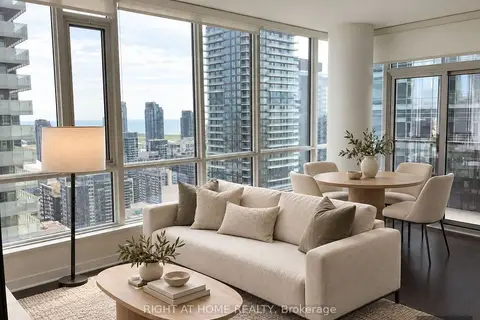
 New
$779,000
2 bd2 ba1 pk700-799 ft²
295 Adelaide Street W 3809
Waterfront Communities C1, Toronto
Condo Apartment · MLS® C14099944 · RIGHT AT HOME REALTY
Typical means the median asking price of homes listed now. Asking prices are not sale prices.
📖 Waterfront Communities C1 neighbourhood guide🏠 291 open houses in Toronto this weekWhat’s my Toronto home worth?Toronto condo buildings
Waterfront Communities C1 is mostly condo apartments: 87% of the 663 homes for sale right now.
By asking price, townhouses around $1.07M, a 1-bedroom condo around $565K and a 2-bedroom condo around $838K. Condos are asking about $924 per square foot, with monthly fees near $0.93 per square foot.
For renters, 1-bedroom condos rent for about $2,550 a month and 2-bedrooms about $3,600. The typical home for sale has been listed for 41 days, and 19% have had a price reduction, so there is room to negotiate on some.
Based on the 1,251 homes listed in Waterfront Communities C1 right now; updated through the day.
New
$779,000
2 bd2 ba1 pk700-799 ft²
Waterfront Communities C1, Toronto
Condo Apartment · MLS® C14099944 · RIGHT AT HOME REALTY
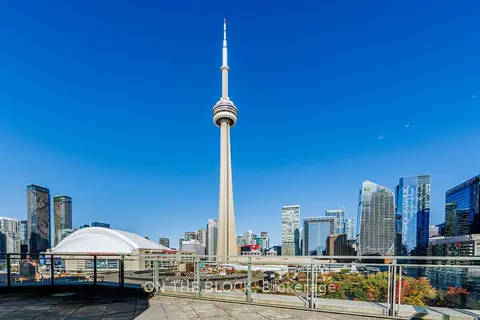 New
$1,230,000
2 bd2 ba1 pk900-999 ft²
Waterfront Communities C1, Toronto
Condo Apartment · MLS® C14098672 · ON THE BLOCK
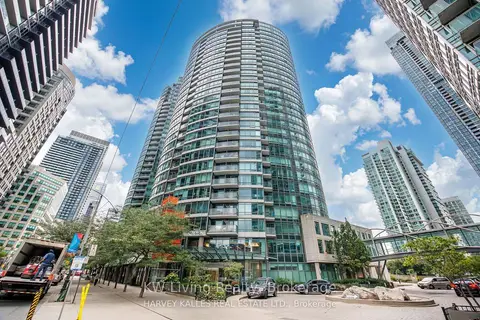 New
$539,000
1+1 bd1 ba1 pk600-699 ft²
Waterfront Communities C1, Toronto
Condo Apartment · MLS® C14098530 · KW Living Realty
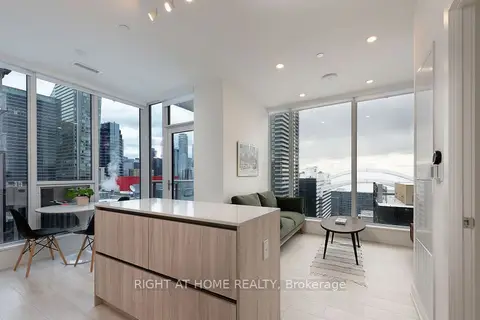 New
$898,000
2+1 bd2 ba700-799 ft²
Waterfront Communities C1, Toronto
Condo Apartment · MLS® C14097868 · RIGHT AT HOME REALTY
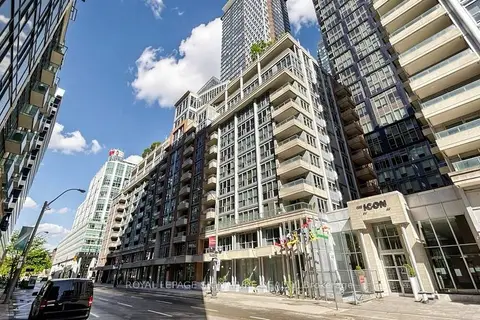 New
$429,999
1+1 bd1 ba700-799 ft²
Waterfront Communities C1, Toronto
Condo Apartment · MLS® C14097770 · ROYAL LEPAGE SIGNATURE REALTY
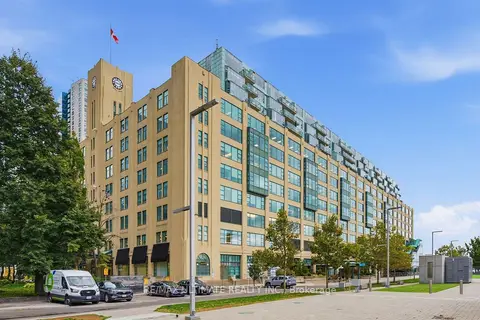 New
$1,569,000
2 bd2 ba1 pk1400-1599 ft²
Waterfront Communities C1, Toronto
Condo Apartment · MLS® C14097736 · RE/MAX ULTIMATE REALTY INC.
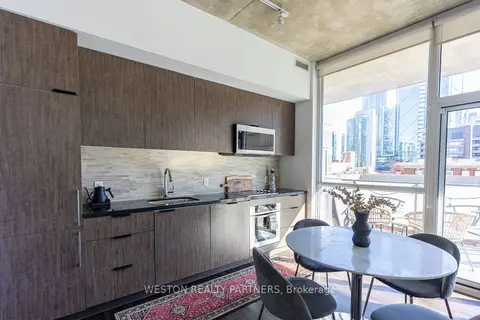 New
$729,000
2 bd2 ba1 pk700-799 ft²
Waterfront Communities C1, Toronto
Condo Apartment · MLS® C14097724 · WESTON REALTY PARTNERS
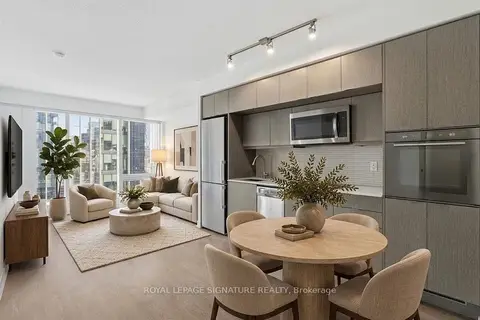 New
$570,000
1+1 bd1 ba600-699 ft²
Waterfront Communities C1, Toronto
Condo Apartment · MLS® C14097714 · ROYAL LEPAGE SIGNATURE REALTY
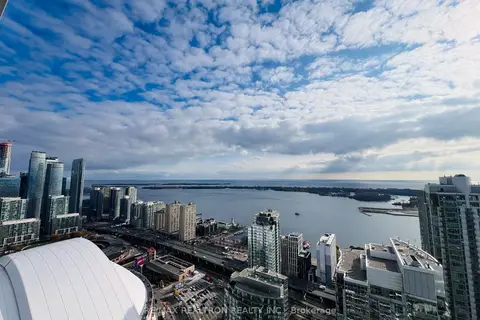 New
$2,700/mo
1 bd1 ba500-599 ft²
Waterfront Communities C1, Toronto
Condo Apartment · MLS® C14100342 · RE/MAX REALTRON REALTY INC.
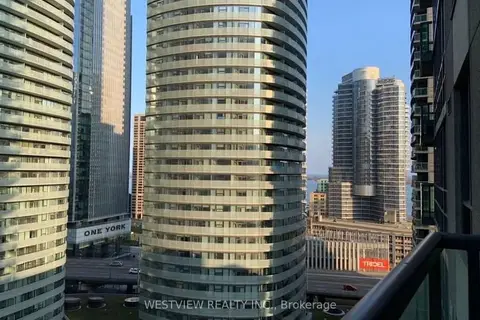 New
$3,000/mo
2 bd1 ba700-799 ft²
Waterfront Communities C1, Toronto
Condo Apartment · MLS® C14100304 · WESTVIEW REALTY INC.
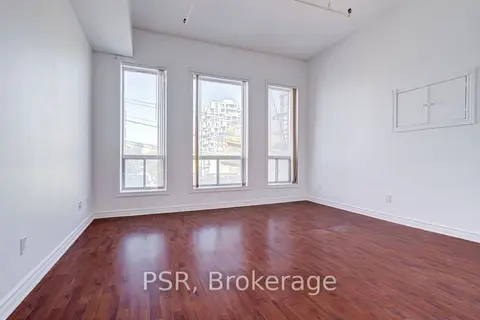 New
$1,750/mo
1 bd1 ba700-1100 ft²
Waterfront Communities C1, Toronto
Upper Level · MLS® C14100258 · PSR
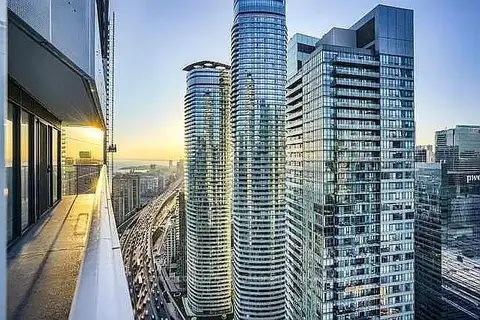 New
$2,750/mo
1 bd1 ba500-599 ft²
Waterfront Communities C1, Toronto
Condo Apartment · MLS® C14100000 · RE/MAX CONDOS PLUS CORPORATION
Waterfront Communities is the downtown condo district stretching along Lake Ontario south of Front Street, taking in CityPlace, the Fort York neighbourhood, Harbourfront along Queens Quay and South Core just south of Union Station. It sits between roughly Bathurst Street in the west and Yonge Street in the east, with the Gardiner Expressway and the rail corridor running through it.
Much of this land was once railway yards, lumber and shipping docks, and industrial waterfront, much of it created by landfill in the 19th and early 20th centuries. Its oldest landmark, Fort York, dates from 1793 and was the site of the 1813 Battle of York. Redevelopment began with Harbourfront in the 1970s and 1980s, CityPlace rose on the former railway lands from the early 2000s, and South Core grew around the Air Canada Centre (now Scotiabank Arena) in the 2010s.
The result is a very dense residential area made up almost entirely of high-rise condominiums, with some rental towers, townhouses at the base of buildings and a handful of older low-rise blocks. It is a lively, urban place where the CN Tower, the lake and the downtown core are all within walking distance.
Union Station, at the eastern end, is the city's main transit hub: Line 1 Yonge-University, all GO Transit rail lines, the UP Express to Pearson Airport and VIA Rail intercity trains. Underground PATH walkways link South Core and Union to the Financial District.
Streetcars serve the rest of the area: the 509 Harbourfront and 510 Spadina run along Queens Quay from Union, and the 511 Bathurst reaches the western end. Drivers have quick access to the Gardiner Expressway and Lake Shore Boulevard, though traffic can be heavy, especially during events. Many residents walk or cycle to work downtown, and the Martin Goodman Trail and Queens Quay bike lanes run along the water. The Jack Layton Ferry Terminal and Billy Bishop Toronto City Airport are also close by.
Condominium apartments make up the vast majority of homes: towers from the 1980s and 1990s along Queens Quay, many 2000s-era buildings in CityPlace and Fort York, and newer towers in South Core. Suites range from studios and one-bedrooms to larger family units and penthouses, with some two-storey townhouses at the base of buildings. Many buildings offer gyms, pools, concierge service and party rooms, which affects monthly fees.
Freehold houses are rare. Parking and lockers are often sold separately, and many units come without parking.
Thinking about buying or selling in Waterfront Communities? Talk to Mehran for a free, no-pressure conversation.
Neighbourhood guide by Mehran Salehian, Sales Representative.