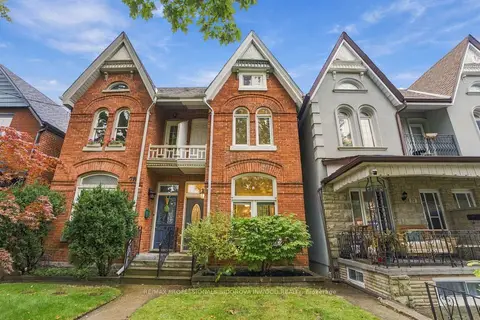
 New
$1,288,000
3 bd2 ba2 pk1500-2000 ft²
80 Laws Street
Junction Area, Toronto
Semi-Detached · MLS® W14094388 · RE/MAX PROFESSIONALS SIDOROVA INWOOD REALTY
Typical means the median asking price of homes listed now. Asking prices are not sale prices.
📖 Junction Area neighbourhood guide🏠 166 open houses in Toronto this weekWhat’s my Toronto home worth?Toronto condo buildings
Homes for sale in Junction Area right now are a mix of condo apartments, townhouses and multiplexes, 58 in all. Much of it is recent: 50% of listings were built in the last 15 years.
By asking price, townhouses around $1.3M and a 2-bedroom condo around $695K. Condos are asking about $812 per square foot, with monthly fees near $0.77 per square foot.
For renters, 1-bedroom condos rent for about $2,425 a month, 2-bedrooms about $3,000 and whole houses about $2,093. The typical home for sale has been listed for 53 days, and 17% have had a price reduction, so there is room to negotiate on some.
Based on the 124 homes listed in Junction Area right now; updated through the day.
New
$1,288,000
3 bd2 ba2 pk1500-2000 ft²
Junction Area, Toronto
Semi-Detached · MLS® W14094388 · RE/MAX PROFESSIONALS SIDOROVA INWOOD REALTY
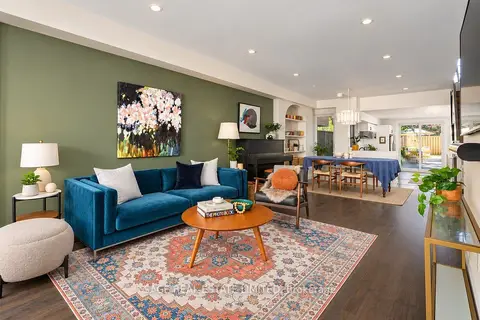 New
$1,449,000
4 bd3 ba2 pk1500-2000 ft²
Junction Area, Toronto
Semi-Detached · MLS® W14094330 · SAGE REAL ESTATE LIMITED
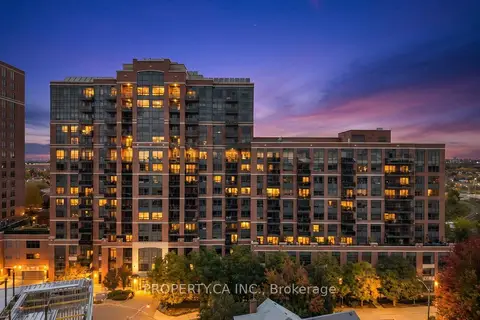
$745,000
3 bd2 ba1 pk900-999 ft²
Junction Area, Toronto
Condo Apartment · MLS® W14089682 · PROPERTY.CA INC.
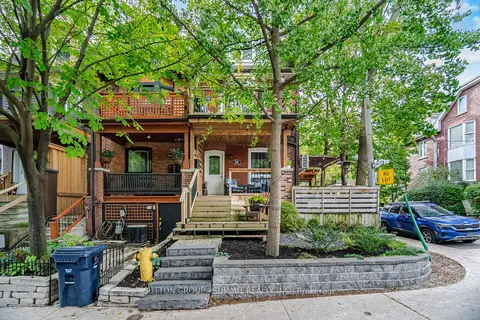
$1,490,000
4+1 bd4 ba1 pk1500-2000 ft²
Junction Area, Toronto
Att/Row/Townhouse · MLS® W14082320 · SUTTON GROUP - SUMMIT REALTY INC.
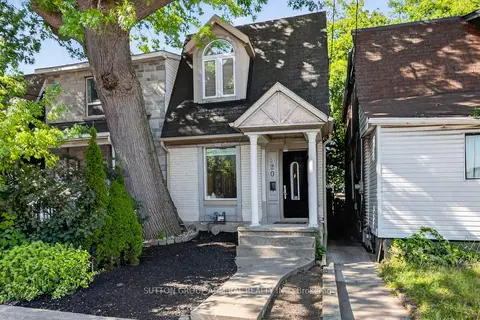
$898,900
3 bd2 ba1 pk700-1100 ft²
Junction Area, Toronto
Semi-Detached · MLS® W14031670 · SUTTON GROUP-ADMIRAL REALTY INC.
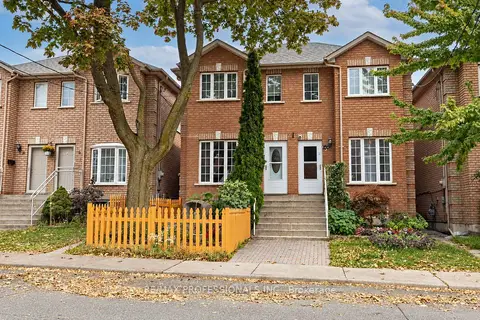
$999,000
3+2 bd3 ba2 pk1500-2000 ft²
Junction Area, Toronto
Semi-Detached · MLS® W14027720 · RE/MAX PROFESSIONALS INC.
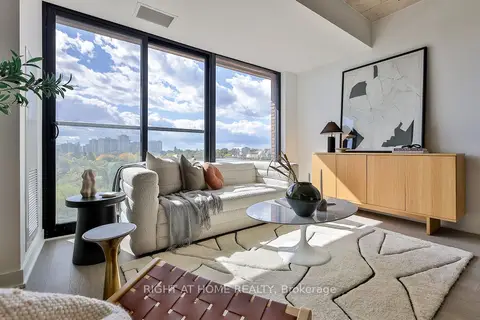
$849,800
Reduced $60,000
2+1 bd2 ba1 pk900-999 ft²
Junction Area, Toronto
Condo Apartment · MLS® W14002374 · RIGHT AT HOME REALTY
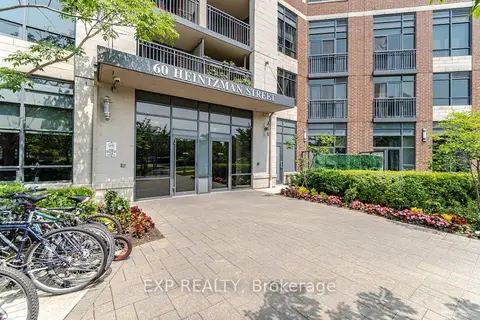
$399,900
1 bd1 ba0-499 ft²
Junction Area, Toronto
Condo Apartment · MLS® W13874438 · EXP REALTY
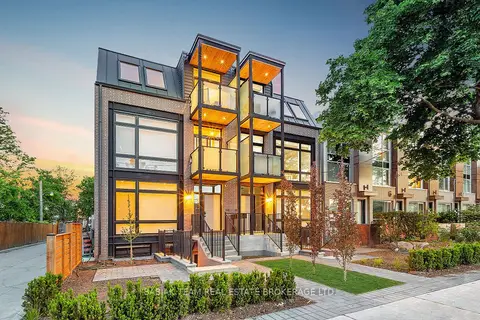 New
$3,300/mo
2 bd1 ba1 pk700-1100 ft²
Junction Area, Toronto
Multiplex · MLS® W14094786 · BABIAK TEAM REAL ESTATE BROKERAGE LTD.
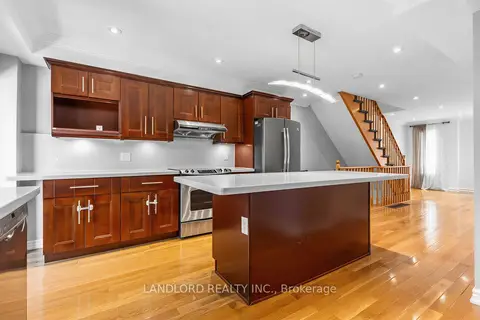 New
$3,300/mo
2 bd3 ba2 pk1200-1399 ft²
Junction Area, Toronto
Condo Townhouse · MLS® W14094690 · LANDLORD REALTY INC.
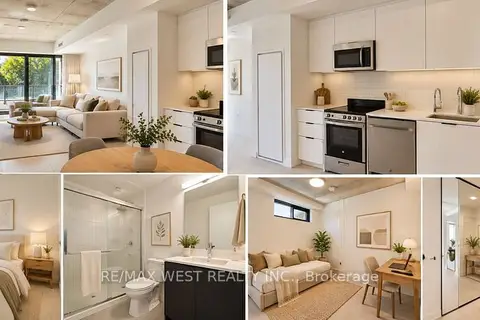 New
$3,500/mo
2 bd2 ba1 pk800-899 ft²
Junction Area, Toronto
Condo Apartment · MLS® W14093228 · RE/MAX WEST REALTY INC.
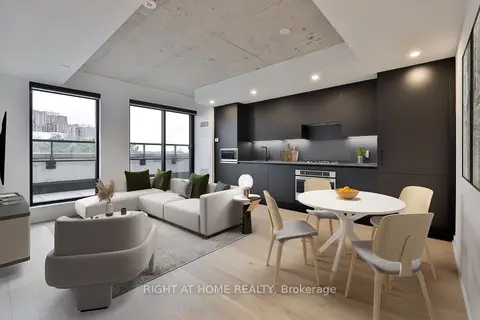 New
$2,495/mo
1 bd1 ba500-599 ft²
Junction Area, Toronto
Condo Apartment · MLS® W14092272 · RIGHT AT HOME REALTY
The Junction sits in Toronto's west end, centred on the meeting of Dundas Street West and Keele Street. It generally covers the area north of Annette Street up toward St. Clair Avenue West, between Runnymede Road in the west and the rail corridors to the east. The name comes from the junction of rail lines that shaped the area's growth.
The Village of West Toronto Junction was founded in 1884, grew into the Town of Toronto Junction, and later became the City of West Toronto before joining Toronto in 1909. Railway yards, foundries, mills, meat packers and a piano factory made it an industrial hub, and the Union Stockyards operated nearby for most of the 20th century. In 1904 residents voted to ban alcohol sales, and the area stayed dry for most of the century, which held back restaurants and bars along Dundas Street until the ban was lifted around the turn of the millennium.
Today Dundas Street West is lined with handsome early 20th-century commercial buildings now home to independent restaurants, bars, cafés, vintage shops and galleries. The surrounding streets are mostly residential, with Victorian and Edwardian houses, semis, row houses, loft conversions and newer townhouses and condos on former industrial land, including the old Stockyards lands to the north.
The Junction's freehold housing is mostly late 19th and early 20th-century brick semis, row houses and detached homes on modest, often narrow lots. Many homes have kept original details like woodwork and stained glass, while others have been fully renovated. Former factories have been converted into lofts, and newer townhouses and mid-rise condos keep appearing near the rail lines and on former industrial land. The City has been studying a West Toronto Junction Heritage Conservation District along Dundas Street West and part of Keele Street, with final recommendations expected in 2027, so rules for properties on the main street may change.
Thinking about buying or selling in The Junction? Talk to Mehran for a free, no-pressure conversation.
Neighbourhood guide by Mehran Salehian, Sales Representative.