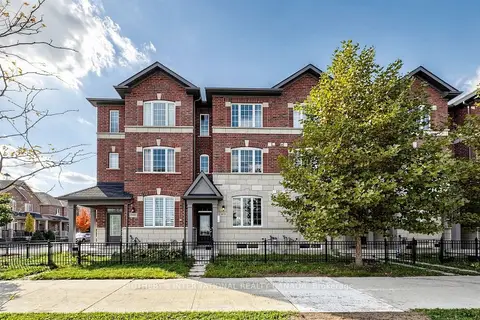
 New
$988,000
3+1 bd4 ba3 pk1500-2000 ft²
1972 Donald Cousens Parkway
Cornell, Markham
Att/Row/Townhouse · MLS® N14093486 · SOTHEBY'S INTERNATIONAL REALTY CANADA
Typical means the median asking price of homes listed now. Asking prices are not sale prices.
📖 Cornell neighbourhood guide🏠 23 open houses in Markham this weekWhat’s my Markham home worth?Markham condo buildings
Homes for sale in Cornell right now are a mix of townhouses, houses and condo apartments, 83 in all. Much of it is recent: 60% of listings were built in the last 15 years. About 33% of the houses listed have a basement apartment or separate entrance, which can help with the mortgage.
By asking price, 4 bedrooms or more around $1.4M, townhouses around $870K and a 2-bedroom condo around $694K. Condos are asking about $668 per square foot, with monthly fees near $0.58 per square foot.
For renters, whole houses about $2,000. The typical home for sale has been listed for 30 days, and 19% have had a price reduction, so there is room to negotiate on some.
Based on the 137 homes listed in Cornell right now; updated through the day.
New
$988,000
3+1 bd4 ba3 pk1500-2000 ft²
Cornell, Markham
Att/Row/Townhouse · MLS® N14093486 · SOTHEBY'S INTERNATIONAL REALTY CANADA
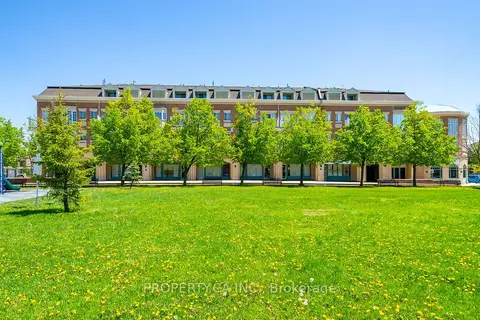 New
$449,000
2+1 bd3 ba1 pk1000-1199 ft²
Cornell, Markham
Condo Townhouse · MLS® N14090360 · PROPERTY.CA INC.
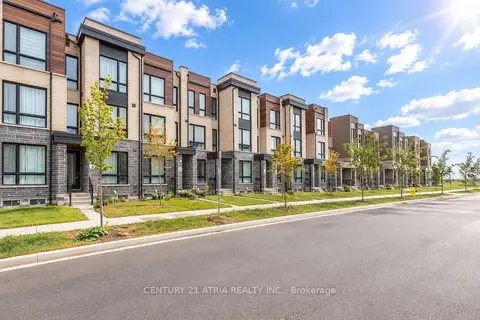
$888,000
4 bd4 ba3 pk1500-2000 ft²
Cornell, Markham
Att/Row/Townhouse · MLS® N14087416 · CENTURY 21 ATRIA REALTY INC.
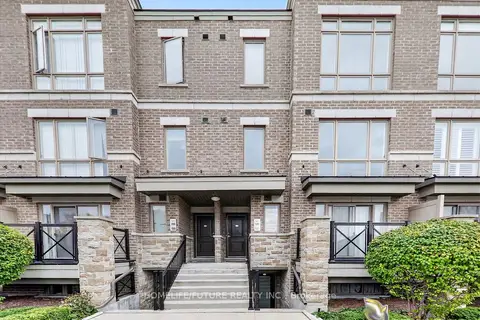
$799,888
3+1 bd3 ba2 pk1600-1799 ft²
Cornell, Markham
Condo Townhouse · MLS® N14084190 · HOMELIFE/FUTURE REALTY INC.
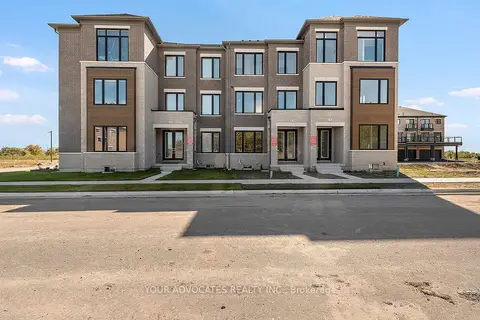
$889,990
4 bd4 ba4 pk1500-2000 ft²
Cornell, Markham
Att/Row/Townhouse · MLS® N14083974 · YOUR ADVOCATES REALTY INC.
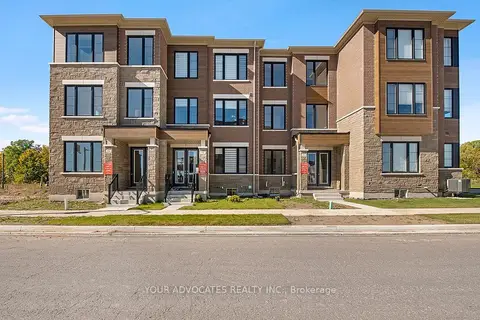
$869,990
4 bd4 ba4 pk1500-2000 ft²
Cornell, Markham
Att/Row/Townhouse · MLS® N14083836 · YOUR ADVOCATES REALTY INC.
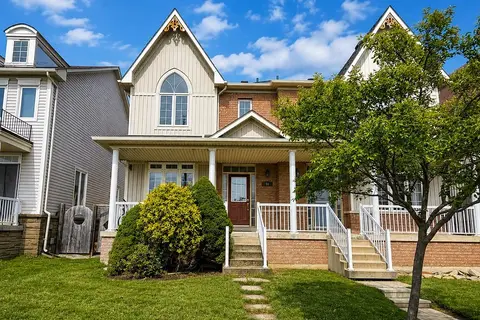
$899,000
3+1 bd4 ba3 pk1500-2000 ft²
Cornell, Markham
Semi-Detached · MLS® N14081800 · CENTURY 21 LEADING EDGE REALTY INC.
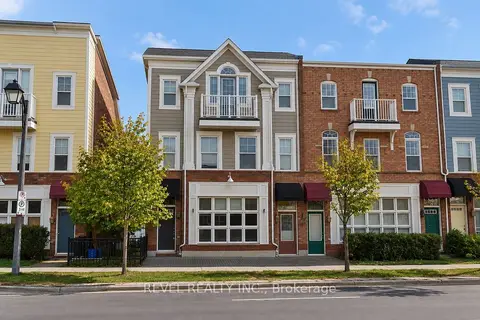
$1,195,000
3+1 bd3 ba4 pk2500-3000 ft²
Cornell, Markham
Att/Row/Townhouse · MLS® N14080848 · REVEL REALTY INC.
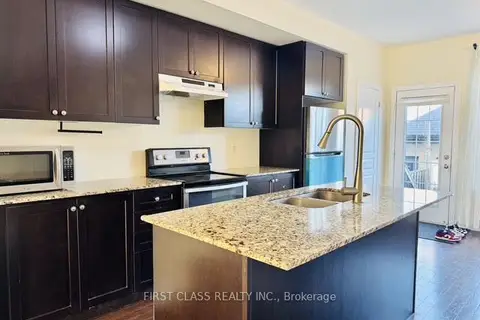 New
$3,000/mo
3+1 bd4 ba2 pk1500-2000 ft²
Cornell, Markham
Att/Row/Townhouse · MLS® N14096106 · FIRST CLASS REALTY INC.
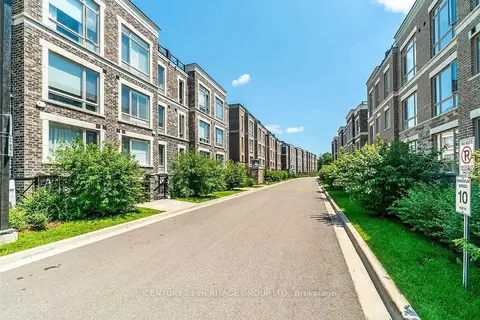 New
$2,400/mo
2 bd2 ba1 pk900-999 ft²
Cornell, Markham
Condo Townhouse · MLS® N14092704 · CENTURY 21 HERITAGE GROUP LTD.
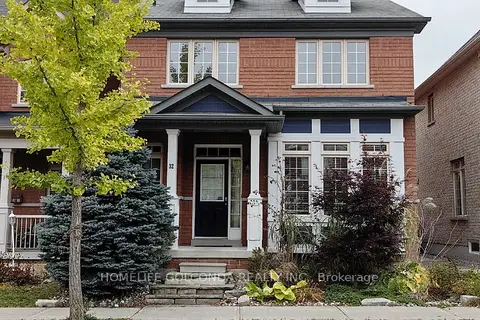 New
$3,100/mo
3 bd3 ba2 pk1500-2000 ft²
Cornell, Markham
Detached · MLS® N14092158 · HOMELIFE GOLCONDA REALTY INC.
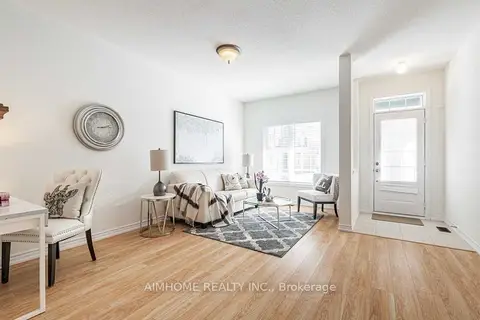 New
$3,000/mo
3 bd3 ba2 pk2000-2500 ft²
Cornell, Markham
Att/Row/Townhouse · MLS® N14091434 · AIMHOME REALTY INC.
Cornell is a master-planned community in northeast Markham, bounded by 16th Avenue to the north, Highway 407 to the south, Ninth Line to the west and Donald Cousens Parkway to the east. Highway 7 and Bur Oak Avenue are its main roads.
Markham conceived Cornell in the early 1990s as an alternative to conventional suburbs. The plan was designed by the American firm Duany Plater-Zyberk, known for the "new urbanism" movement, and construction began in the late 1990s. The name honours the Cornell family, early settlers in Markham. Building has continued in phases ever since, with the newest construction in the north and south.
New urbanism shows in the details. Streets follow a grid instead of winding crescents. Homes sit close to the sidewalk with front porches. Garages are tucked behind homes and reached by rear laneways. Parks, schools and shops are spread throughout so daily life can happen on foot. The result has a traditional, small-town look, with brick and stone homes, tree-lined streets and village squares, even though most of it is fairly new.
Thinking about buying or selling in Cornell? Talk to Mehran for a free, no-pressure conversation.
Neighbourhood guide by Mehran Salehian, Sales Representative.